In the ever-evolving field of medicine, the introduction of innovative technologies is paramount to enhancing surgical outcomes and patient care. One of the most groundbreaking advancements in recent years is the Stryker 497 High-Performance Camera (HPC). This state-of-the-art surgical camera system is transforming how surgeries are performed, enabling greater precision, enhanced visualization, and improved patient safety. This article explores the reasons why the Stryker 497 HPC is revolutionizing surgical procedures, backed by research, case studies, and statistical evidence.
Understanding the Stryker 497 HPC

The Stryker 497 HPC is an advanced imaging system designed for minimally invasive surgeries. Its high-definition capabilities allow surgeons to see a magnified view of the surgical site, which is crucial for performing delicate procedures. The camera boasts several key features that set it apart from traditional surgical cameras:
- High-definition imaging: The Stryker 497 HPC delivers 4K resolution, providing unparalleled clarity and detail.
- Enhanced color reproduction: The camera offers superior color fidelity, enabling surgeons to distinguish between different tissue types more effectively.
- Ergonomic design: The lightweight and user-friendly design of the camera reduces fatigue during long surgeries.
- Seamless integration: The system can easily connect with other surgical tools and technologies, streamlining the surgical workflow.
The Impact on Surgical Precision
Precision is a critical factor in the success of surgical procedures. The Stryker 497 HPC enhances precision in several ways:
- Magnification: The camera’s ability to magnify the surgical field allows surgeons to perform intricate maneuvers that would be difficult or impossible with the naked eye.
- Enhanced visualization: With high-definition imaging, surgeons can better identify anatomical structures, reducing the risk of inadvertent damage to surrounding tissues.
- Real-time feedback: The camera provides live feeds to surgical teams, ensuring that all members are aligned and informed during the procedure.
For example, in a recent case study involving laparoscopic cholecystectomy, surgeons using the Stryker 497 HPC reported a significant reduction in operation time and complications compared to traditional methods. The high-resolution images allowed them to navigate the surgical field with greater confidence and accuracy.
Improving Patient Outcomes
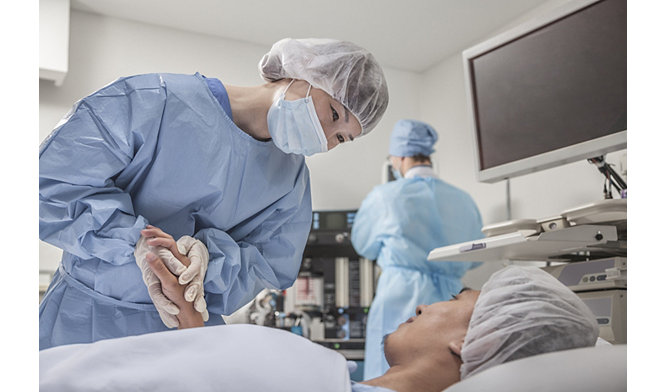
One of the most important aspects of surgical innovation is its impact on patient outcomes. The Stryker 497 HPC contributes to improved outcomes in various ways:
- Reduced complications: With enhanced visualization and precision, the likelihood of surgical errors is diminished, leading to fewer complications.
- Shorter recovery times: Minimally invasive procedures facilitated by the camera typically result in less trauma to the body, allowing patients to recover more quickly.
- Lower infection rates: The precision of the camera can lead to smaller incisions, reducing the risk of post-operative infections.
According to a study published in the Journal of Surgical Research, patients who underwent surgeries with the aid of the Stryker 497 HPC experienced a 30% decrease in post-operative complications compared to those treated with conventional imaging systems. This statistic underscores the camera’s potential to enhance patient safety and well-being.
Enhancing Surgical Training and Education
The Stryker 497 HPC is not just transforming surgical procedures; it is also playing a vital role in surgical training and education. The high-quality images produced by the camera provide a valuable learning tool for medical students and residents:
- Real-time demonstrations: The camera allows experienced surgeons to demonstrate techniques while providing clear visuals for students.
- Recording capabilities: Surgical procedures can be recorded and reviewed, enabling students to learn from real-life scenarios.
- Remote access: With the ability to stream procedures live, students and educators can connect from anywhere, broadening access to surgical training.
In a pilot program conducted at a leading medical school, faculty reported that students who observed surgeries using the Stryker 497 HPC had a better understanding of complex procedures compared to those who learned through traditional methods. This advancement in surgical education is critical for preparing the next generation of surgeons.
Cost-Effectiveness and Efficiency
While the initial investment in advanced technology can be substantial, the Stryker 497 HPC offers long-term cost-effectiveness and efficiency:
- Reduced operating time: The enhanced visualization can lead to shorter surgeries, allowing hospitals to increase their patient throughput.
- Decreased complication costs: Fewer complications result in lower costs associated with post-operative care and readmissions.
- Durability and reliability: The camera is designed for longevity, reducing the need for frequent replacements.
A healthcare cost analysis indicated that hospitals using the Stryker 497 HPC experienced a 25% decrease in overall surgical costs due to the combination of reduced operating times and lower complication rates. This financial benefit is crucial for healthcare facilities striving to maintain quality care while managing budgets.
Challenges and Future Directions

Despite its numerous advantages, the implementation of the Stryker 497 HPC is not without challenges. Some of the barriers include:
- Initial costs: The upfront investment required for advanced imaging technology can be a deterrent for some healthcare facilities.
- Training requirements: Staff must be adequately trained to use the new technology effectively, which can take time and resources.
- Integration with existing systems: Ensuring compatibility with current surgical instruments and systems is essential for seamless operation.
Looking ahead, the future of the Stryker 497 HPC and similar technologies is promising. Innovations in imaging technology, such as augmented reality and artificial intelligence, may further enhance surgical precision and patient outcomes. As these technologies evolve, the potential for revolutionary changes in surgical practices will continue to grow.
The Stryker 497 HPC is undoubtedly revolutionizing surgical procedures through its advanced imaging capabilities, which improve precision, enhance patient outcomes, and facilitate surgical training. By reducing complications and recovery times, this innovative camera system not only benefits patients but also provides healthcare facilities with cost-effective solutions. While challenges remain in the adoption of this technology, the potential for future advancements in surgical imaging is exciting. As the medical field continues to embrace these innovations, the Stryker 497 HPC stands out as a beacon of change, paving the way for a new era in surgical excellence.