
Published in 1748, “Fanny Hill: Memoirs of a Woman of Pleasure” by John Cleland remains one of the most controversial and discussed works in English literature. It is often celebrated not just for its narrative but also for its bold use of illustrations that accompany the text. These illustrations serve a dual purpose: they enhance the sensuality of the narrative while simultaneously provoking thought and debate about morality, sexuality, and the role of women in society. This article explores the intricate relationship between beauty and provocation in the illustrations of the unexpurgated version of “Fanny Hill,” examining their impact on literature and society.
The Historical Context of “Fanny Hill”
Understanding the illustrations in “Fanny Hill” requires a grasp of the historical context in which Cleland wrote. The 18th century was a time of significant social and cultural change, marked by the Enlightenment, which emphasized reason, individualism, and the questioning of traditional authority. This period also witnessed an evolving view of sexuality, particularly in literature.
- Enlightenment Thought: The Enlightenment sparked discussions about human experience, including sexual desire. Cleland’s narrative reflects these evolving perspectives.
- Censorship and Morality: The book faced censorship and legal challenges due to its explicit content, which mirrored the tension between sexual expression and societal norms.
- Illustrative Art: The illustrations accompanying the text were groundbreaking, as visual art often explored themes of beauty, sexuality, and moral ambiguity.
The Role of Illustrations in “Fanny Hill”

The illustrations in “Fanny Hill” are not merely decorative; they are integral to the storytelling process. They serve various functions that enrich the reader’s experience and provoke deeper reflections on the text’s themes.
Visual Storytelling

Illustrations provide a visual narrative that complements and enhances the written word. In “Fanny Hill,” the images often depict scenes of intimacy and desire, which can be both beautiful and provocative. This duality invites readers to engage with the text on multiple levels.
- Enhancing the Narrative: Illustrations often depict key moments in Fanny’s journey, providing visual cues that guide the reader’s imagination.
- Emotional Resonance: The ability to visualize characters and settings adds emotional depth to the narrative, making Fanny’s experiences more relatable.
Provocation and Controversy

By their very nature, the illustrations in “Fanny Hill” provoke discussion. They challenge societal norms regarding sexuality and femininity, raising questions about the portrayal of women in literature.
- Sexual Liberation: The illustrations depict scenes that celebrate sexual agency, challenging the restrictive norms of the time.
- Gender Dynamics: The portrayal of women in erotic contexts can be seen as both a celebration of female sexuality and a critique of the male gaze.
Case Studies: Key Illustrations in “Fanny Hill”
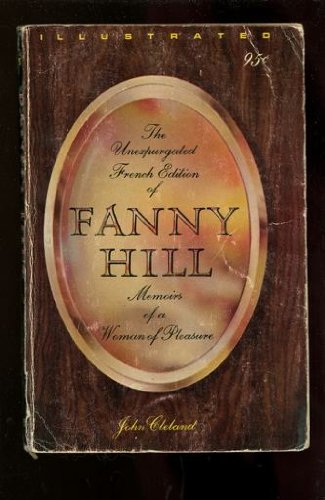
To better understand the impact of illustrations, let’s examine a few key examples from “Fanny Hill.” Each illustration serves as a focal point for discussion regarding beauty and provocation.
Example 1: Fanny’s Introduction to the Brothel
One of the most striking illustrations depicts Fanny’s arrival at a brothel, setting the stage for her sexual awakening. The artwork captures the opulence of the brothel and the allure it holds for Fanny. This scene is both beautiful and provocative, as it represents a turning point in her life.
- Beauty: The luxurious setting and the beauty of the characters highlight the seductive nature of the experience.
- Provocation: The illustration challenges societal views on sexuality, inviting readers to question the morality of Fanny’s choices.
Example 2: Fanny’s Intimate Encounters
Illustrations of Fanny’s intimate encounters further emphasize the book’s exploration of desire and pleasure. These images often depict moments of vulnerability and passion, providing a stark contrast to the rigid moral codes of the time.
- Artistic Expression: The beauty of the human form is celebrated, inviting readers to appreciate the aesthetic quality of sexuality.
- Societal Reflection: These illustrations provoke discussions about the double standards in society regarding male and female sexuality.
The Artistic Techniques Behind the Illustrations
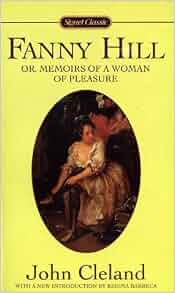
The illustrations in “Fanny Hill” utilize various artistic techniques that contribute to their beauty and effectiveness in conveying provocative themes.
Styles and Techniques
- Line Work: The delicate line work in the illustrations adds a sense of elegance and refinement, enhancing their aesthetic appeal.
- Composition: The arrangement of figures and elements within each illustration draws the viewer’s eye, guiding them through the narrative.
- Use of Light and Shadow: The interplay of light and shadow creates depth, adding a sensual quality to the images.
Modern Interpretations and Legacy
The legacy of “Fanny Hill” and its illustrations extends beyond its time. Modern interpretations continue to explore the themes of beauty and provocation present in the original work.
Influence on Contemporary Literature and Art
- Literary Homages: Many contemporary authors draw inspiration from “Fanny Hill,” using its themes to challenge current societal norms.
- Artistic Revivals: Modern artists often revisit the illustrations, reinterpreting them in light of contemporary issues surrounding sexuality and gender.
The Enduring Impact of Beauty and Provocation
In conclusion, the illustrations in the unexpurgated version of “Fanny Hill” play a crucial role in shaping the narrative’s exploration of beauty and provocation. They not only enhance the reader’s experience but also provoke critical discussions about sexuality, morality, and the representation of women in literature. Through their artistic beauty, these illustrations challenge societal norms and continue to inspire debate and reflection, proving that the themes of “Fanny Hill” remain relevant even centuries after its publication. The interplay between visual art and literature in this work serves as a testament to the power of illustrations in communicating complex ideas and emotions, ensuring its place in the canon of English literature.


