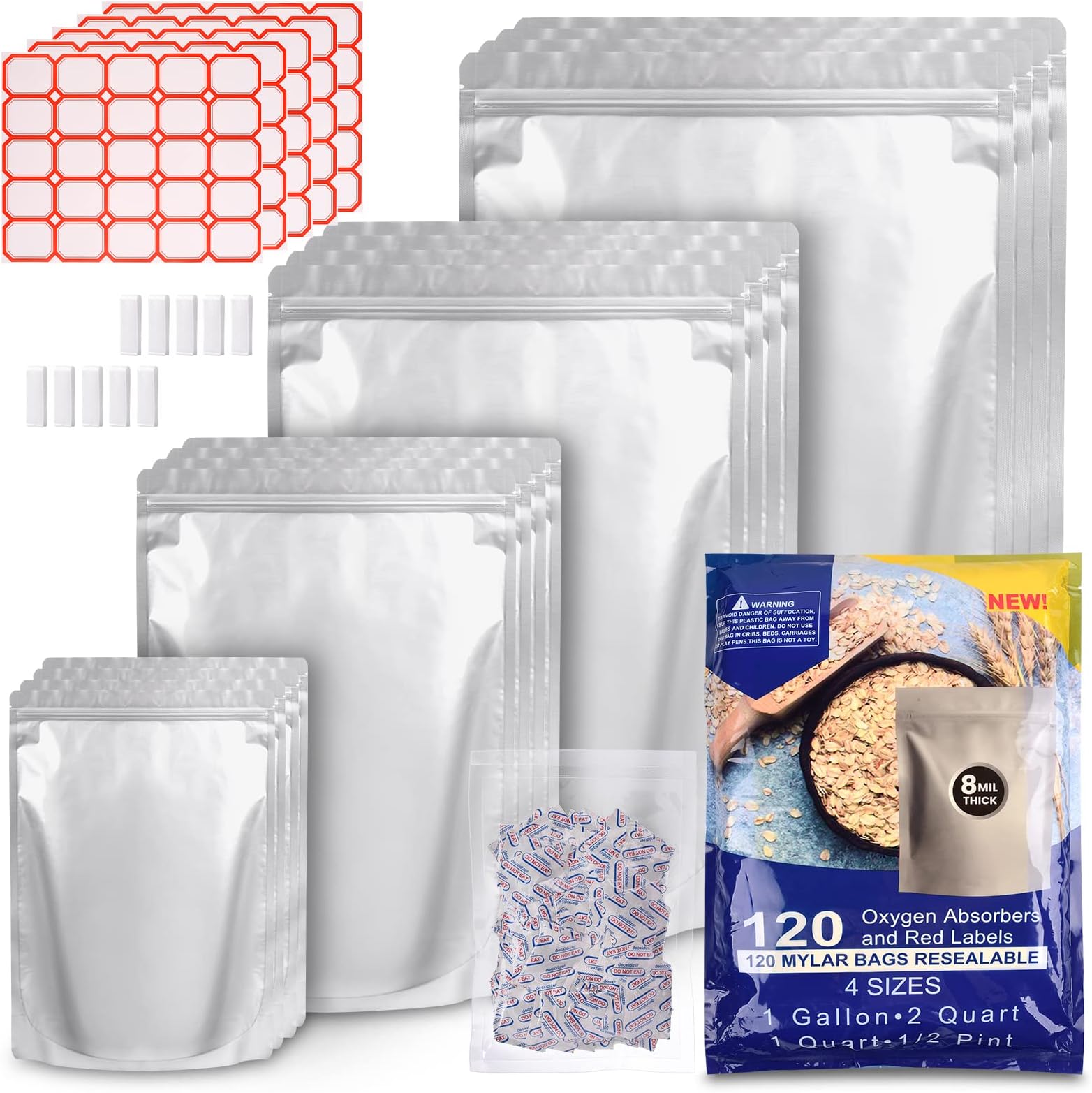
Mylar bags are a popular choice for food storage due to their ability to protect contents from moisture, air, and light, which can significantly degrade food quality over time. Properly sealing these bags is essential for maximizing food longevity. This article will explore the best practices for sealing Mylar bags, including the types of sealers to use, techniques for ensuring an airtight closure, and tips for storage.
Understanding Mylar Bags
Mylar bags are made from a type of polyester film known for its excellent barrier properties. They are used extensively in food storage, especially for long-term preservation. Here are some key characteristics of Mylar bags:
- Moisture Barrier: Mylar bags prevent moisture from entering, which helps to inhibit mold growth and spoilage.
- Light Barrier: The reflective surface of Mylar blocks light, preventing oxidation and degradation of nutrients.
- Airtight Seal: When sealed properly, Mylar bags can keep air out, which is crucial for preventing rancidity in fats and oils.
The Importance of Proper Sealing

Improper sealing of Mylar bags can lead to food spoilage, loss of flavor, and nutrient degradation. A well-sealed Mylar bag can extend the shelf life of foods by several years, while a poorly sealed bag may result in spoilage within months. According to a study by the U.S. Department of Agriculture, vacuum-sealed Mylar bags can extend shelf life by up to 25% compared to standard storage methods. Proper sealing techniques ensure that your food remains safe and nutritious for as long as possible.
Tools for Sealing Mylar Bags
Before diving into the sealing techniques, it’s essential to gather the necessary tools. The right equipment can make a significant difference in the quality of the seal.
- Heat Sealer: A heat sealer is the most effective tool for sealing Mylar bags. It uses heat to melt the plastic edges together, creating a strong seal.
- Vacuum Sealer: A vacuum sealer removes air from the bag before sealing, which can further enhance shelf life.
- Iron: In the absence of a heat sealer, a regular household iron can be used to seal Mylar bags, although it may not provide as strong a seal.
- Clamps or Clips: These can be used to hold the bag in place while sealing or to keep it closed temporarily.
Step-by-Step Guide to Sealing Mylar Bags
Here’s a detailed guide on how to properly seal Mylar bags for maximum food longevity.
Step 1: Prepare the Food
Before sealing, ensure that the food is dry and free from moisture. Excess moisture inside the bag can create an environment conducive to mold and spoilage. If storing dry foods, such as rice or beans, ensure they are completely dry. For items like freeze-dried fruits or jerky, make sure they are cooled to room temperature after processing.
Step 2: Fill the Mylar Bag
Fill the Mylar bag, leaving enough space at the top for sealing. A good rule of thumb is to leave about 3 inches of space. This allows for expansion and makes it easier to create a strong seal.
Step 3: Remove Air

Removing air is crucial for preventing oxidation. If you are using a vacuum sealer, place the open end of the Mylar bag in the sealer and follow the manufacturer’s instructions to vacuum out the air. If you do not have a vacuum sealer:
- Hand Method: Use a straw to suck out as much air as possible before sealing the bag.
- Compression Method: Gently compress the bag while sealing to push out any remaining air.
Step 4: Seal the Bag

Using a heat sealer, align the edges of the bag and press down on the sealing strip for the recommended time (usually a few seconds). If using an iron, set it to a medium heat setting, place a piece of parchment paper over the area to be sealed, and press down firmly. Ensure that the edges are even and that there are no gaps.
Step 5: Test the Seal

After sealing, it’s important to test the seal for security. Gently tug on the sealed edges; if the seal breaks easily, re-seal the bag. For added security, consider sealing the bag twice, about ¼ inch apart.
Storage Tips for Mylar Bags

Once your Mylar bags are sealed, proper storage is essential for maintaining food longevity. Here are some tips:
- Cool, Dark Place: Store sealed Mylar bags in a cool, dark location to prevent exposure to heat and light.
- Avoid Humidity: Ensure the storage area is dry, as humidity can compromise the integrity of the bags.
- Use Containers: For additional protection, consider storing Mylar bags in airtight containers or boxes.
Case Studies: The Efficacy of Mylar Bags
Several studies and real-world examples illustrate the effectiveness of Mylar bags in food preservation. In a notable case study conducted by the National Center for Home Food Preservation, researchers found that food stored in Mylar bags remained safe for consumption up to 25 years when kept in optimal conditions. Additionally, many preppers and survivalists have reported success in using Mylar bags for long-term food storage, citing extended shelf life and maintained flavor and nutritional quality.
Common Mistakes to Avoid
Even with the best intentions, it’s easy to make mistakes when sealing Mylar bags. Here are some common pitfalls to avoid:
- Not Removing Enough Air: Leaving too much air in the bag can lead to spoilage and rancidity.
- Using Low-Quality Bags: Always use high-quality Mylar bags; cheaper options may not provide the same barrier properties.
- Skipping the Test: Failing to test the seal can result in premature spoilage.
Sealing Mylar bags properly is crucial for maximizing the longevity of food storage. By understanding the properties of Mylar bags, utilizing the right tools, and following best practices for sealing and storage, you can significantly extend the shelf life of your food. Remember to prepare your food adequately, remove as much air as possible, and ensure a secure seal. By avoiding common mistakes and adhering to these guidelines, you can enjoy the benefits of long-lasting, nutritious food for years to come. With the right approach, Mylar bags can be a valuable asset in your food preservation strategy.