
As winter blankets the earth in a thick layer of snow, many animals have adapted their lives and behaviors to thrive in the harshest of conditions. The winter season poses significant challenges, from biting cold to scarcity of food. However, various species have developed remarkable survival strategies that allow them to endure and even flourish in these icy environments. This article delves into the fascinating world of winter animals and their secret lives, revealing the intricate strategies they employ to survive the cold.
Understanding Winter’s Challenges
Winter presents a unique set of challenges for wildlife, including:
- Extreme Temperatures: Many regions experience sub-zero temperatures, which can be life-threatening for most animals.
- Food Scarcity: The availability of food sources diminishes as plants die off and insects become dormant.
- Increased Predation: With limited food, animals may become more vulnerable to predators.
To adapt to these conditions, various species have evolved a range of survival strategies. Below, we explore some of the most fascinating tactics employed by winter animals.
Hibernation: A Deep Sleep for Survival

Hibernation is one of the most well-known survival strategies employed by various animals. During hibernation, animals enter a state of torpor, significantly lowering their metabolic rate to conserve energy. This strategy allows them to survive for months without food.
- Brown Bears: These bears can lose up to 30% of their body weight during hibernation. They rely on fat reserves accumulated during the summer and fall months.
- Ground Squirrels: These small mammals can lower their body temperature to near freezing during hibernation, slowing their heart rate to just a few beats per minute.
Research from the University of Alaska suggests that hibernation can also have a significant impact on the immune system, allowing animals to emerge healthier in the spring.
Adaptation: Physical Changes for Cold Resilience
Many winter animals undergo physical changes that enhance their ability to survive in the cold. These adaptations can include changes in fur, body size, and even coloration.
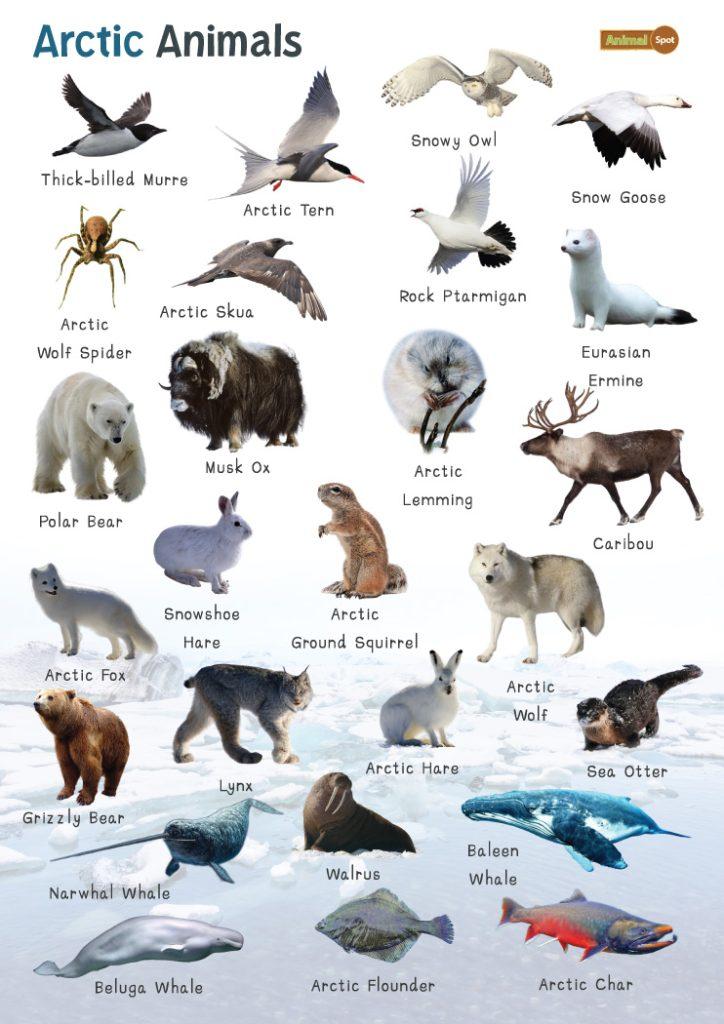
- Thicker Fur: Animals like the Arctic Fox develop a thick, insulated coat that keeps them warm in frigid temperatures.
- Color Change: Species such as the Snowshoe Hare and Ptarmigan change color from brown to white, providing camouflage against the snow and aiding in predator evasion.
- Body Size: Bergmann’s Rule suggests that animals in colder climates tend to be larger. Larger body sizes help retain heat more effectively.
These adaptations are crucial for survival, allowing animals to maintain their body temperature and evade predators.
Foraging Strategies: Finding Food in a Frozen World
As food becomes scarce during winter, many animals develop innovative foraging strategies to sustain themselves.
- Cache Food: Squirrels and some birds, like jays, cache food in various locations during the fall, allowing them to retrieve it throughout winter.
- Behavioral Changes: Wolves may hunt in packs with strategic approaches, maximizing their chances of catching prey in the snow.
- Subsurface Foraging: Arctic Foxes utilize their keen hearing to locate small rodents under the snow, often pouncing to catch them.
Studies show that foraging behavior can significantly affect the survival rates of these animals during the winter months, demonstrating their adaptability and intelligence.
Social Structures: Cooperation in the Cold

Some species have developed social structures that enhance their chances of survival during winter. Social behavior can provide warmth, protection, and improved foraging success.
- Wolf Packs: Wolves hunt cooperatively, allowing them to take down larger prey and share the meal with the entire pack, ensuring that all members are fed.
- Emperor Penguins: These birds huddle together in large groups to conserve heat during brutal Antarctic winters, rotating positions to ensure that all individuals receive warmth.
Research indicates that social structures not only improve survival rates but also facilitate learning and adaptation to changing environments.
Migration: A Journey to Warmer Climates
For some species, the best survival strategy is to migrate to warmer climates during winter months. Migration enables animals to access food resources and avoid harsh conditions.
- Monarch Butterflies: Monarchs travel thousands of miles from North America to central Mexico to escape the cold.
- Arctic Terns: These birds have one of the longest migration routes, traveling from the Arctic to the Antarctic and back again.
Migration is a complex behavior influenced by environmental cues, and many species rely on innate navigational abilities to complete their journeys.
Case Studies: Real-World Examples of Winter Animal Survival

To better understand the survival strategies of winter animals, let’s examine a few specific case studies:
- Snowy Owl: These majestic birds have adapted to life in the Arctic with specialized feathers for insulation and a diet primarily consisting of lemmings, which they hunt efficiently even in deep snow.
- Red Fox: The red fox employs a unique hunting technique called “mousing,” where it leaps into the snow to catch rodents, showcasing its adaptability and skill in foraging.
Both case studies reveal the remarkable adaptability of winter animals, illustrating how they can thrive despite environmental challenges.
Statistics on Winter Wildlife
Understanding the statistics surrounding winter wildlife can provide insight into their survival strategies:
- Approximately 50% of bird species in North America migrate to avoid winter conditions.
- Studies show that up to 90% of hibernating mammals can survive without food for months, thanks to their fat reserves.
- Research indicates that animals with social structures can increase their survival rates by as much as 25% during harsh winters.
The Resilience of Winter Animals
The secret lives of winter animals reveal a complex interplay of adaptation, strategy, and social behavior that enables them to survive in one of nature’s harshest seasons. From hibernation to migration, these creatures showcase resilience and ingenuity that are key to their survival. By studying their strategies, we not only gain insight into their lives but also learn valuable lessons about adaptability in the face of adversity.
As we observe these fascinating survival techniques, it becomes clear that the story of winter animals is not just about survival; it is about the intricate balance of nature and the ongoing struggle for existence. Understanding these survival strategies is crucial, especially as climate change alters habitats and challenges these remarkable creatures in ways we are only beginning to understand.


