
In the realm of fitness and nutrition, the quest for effective dietary strategies to support muscle gain is ever-evolving. Among the myriad of options available, protein bars have emerged as a convenient and appealing solution for those looking to bulk up. But how effective are these bars in actually promoting muscle growth? This article delves into the science behind protein bars, their composition, and their effectiveness for bulking.
Understanding Protein Bars

Protein bars are dietary supplements designed to provide a significant amount of protein in a convenient form. They come in various flavors, textures, and nutritional profiles, making them a popular choice among athletes, bodybuilders, and health-conscious individuals.
Composition of Protein Bars
Typically, a protein bar contains the following key components:
- Protein Sources: Commonly derived from whey, casein, soy, or plant-based proteins.
- Carbohydrates: Often included to provide energy, these can come from sugars, fiber, or whole grains.
- Fats: Healthy fats may be added, often from nuts, seeds, or oils.
- Additives: Ingredients such as vitamins, minerals, and flavoring agents to enhance taste and nutritional value.
The Purpose of Protein in Muscle Building
To understand the effectiveness of protein bars for bulking, it is essential to comprehend the role of protein in muscle building:
- Protein serves as the building block of muscle tissue, providing the necessary amino acids for muscle repair and growth.
- After resistance training, the body enters a state of muscle protein synthesis, where protein consumption can significantly enhance recovery and growth.
- Studies suggest that consuming protein within a window of 30 minutes to two hours post-workout can optimize muscle recovery.
Are Protein Bars Effective for Bulking?
The effectiveness of protein bars for bulking largely depends on their nutritional content, timing of consumption, and the overall dietary strategy of the individual. Below, we will explore these factors in detail.
Nutritional Content Matters

Not all protein bars are created equal. The effectiveness of a protein bar for bulking hinges on its nutritional profile:
- Protein Content: For bulking, a bar should ideally contain 20-30 grams of protein. Research indicates that a protein intake of about 1.6 to 2.2 grams per kilogram of body weight is optimal for muscle growth.
- Carbohydrate Levels: A higher carbohydrate content can provide the necessary energy for workouts and recovery. Look for bars with around 30-40 grams of carbs to support energy needs.
- Fats: Healthy fats can aid in hormone production, including testosterone, which is vital for muscle growth. Aim for bars that include sources of omega-3 and omega-6 fatty acids.
Timing and Context of Consumption

Timing plays a crucial role in how effective protein bars can be for bulking:
- Pre-Workout: Consuming a protein bar before a workout can provide an energy boost and enhance performance.
- Post-Workout: Following a workout, a protein bar can aid in recovery by replenishing glycogen stores and providing necessary amino acids for muscle repair.
- Meal Replacement: Protein bars can serve as a convenient meal replacement or snack, especially for individuals with busy lifestyles.
Case Studies and Research Findings
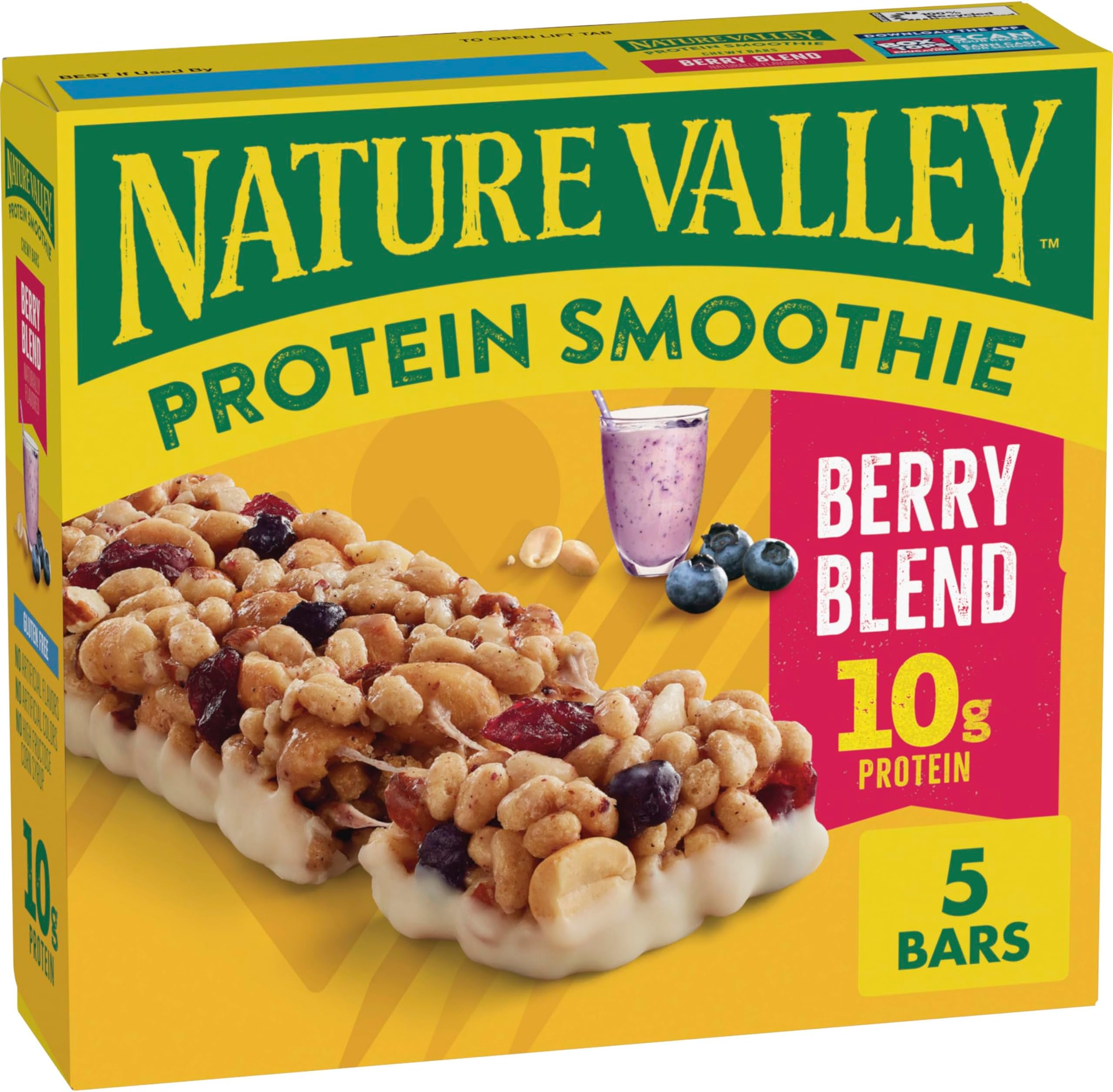
Several studies have explored the effectiveness of protein supplementation, including protein bars, in promoting muscle growth:
- A study published in the American Journal of Clinical Nutrition found that participants who consumed protein supplements post-workout experienced significantly greater increases in muscle mass compared to those who did not.
- Another research conducted by the International Journal of Sports Nutrition and Exercise Metabolism showed that individuals consuming higher protein diets (1.6 g/kg body weight) gained more lean muscle mass over a 12-week period compared to those on lower protein diets.
These findings suggest that protein bars can be a useful tool in a bulking regimen, especially when they align with individual dietary needs and goals.
Potential Drawbacks of Protein Bars

While protein bars offer convenience, there are potential drawbacks to consider:
- Added Sugars: Many protein bars contain high levels of added sugars, which can lead to unwanted fat gain if consumed excessively.
- Low Fiber Content: Some bars lack sufficient fiber, which can impact digestion and satiety.
- Cost: Quality protein bars can be expensive compared to whole food protein sources.
Choosing the Right Protein Bar for Bulking

When selecting a protein bar for bulking, consider the following tips:
- Read Labels: Check the nutritional content to ensure it meets your protein, carbohydrate, and fat needs.
- Choose Whole Ingredients: Opt for bars made with whole food ingredients, avoiding those with artificial additives.
- Balance is Key: Ensure that the bar fits within your overall dietary strategy, complementing your meals and snacks rather than replacing them.
Protein bars can be an effective tool for those looking to bulk up, provided they are chosen wisely and consumed at the right times. With the right nutritional profile, these bars can aid in muscle recovery and growth, making them a convenient option for busy individuals. However, it is essential to be mindful of their ingredients and to use them as part of a balanced diet rather than as a sole source of nutrition.
In summary, the science supports the use of protein bars as a viable option for bulking, particularly when they align with individual protein needs and are consumed in conjunction with a comprehensive diet and exercise program. Ultimately, the key to successful bulking lies in a well-rounded approach that incorporates a variety of nutrient-dense foods alongside strategic supplementation.


