Japan is renowned for its rich cultural heritage, with festivals (matsuri) that showcase its traditions, art, and community spirit. Among the many unique elements of these celebrations, big fans or ‘uchiwa’ stand out not only for their aesthetic beauty but also for their practical uses. This article explores how these fans are integrated into various festivals and celebrations across Japan, highlighting their significance, craftsmanship, and cultural impact.
Understanding Uchiwa: The Big Japanese Fans

Uchiwa fans are flat, non-folding fans traditionally made of paper or cloth on a bamboo frame. They have a long history in Japan, dating back to the Heian period (794-1185). The craftsmanship involved in making these fans is a blend of artistry and practical design, making them a staple in Japanese culture.
Craftsmanship and Design
The creation of uchiwa involves several steps, including:
- Material Selection: Uchiwa can be made from various materials, including washi paper, silk, and synthetic fabrics.
- Frame Construction: Bamboo is commonly used for the frame due to its lightweight and durable properties.
- Artwork and Decoration: Artisans often paint or print intricate designs, ranging from seasonal motifs to more elaborate scenery.
The design can reflect regional characteristics, seasonal changes, or even personal sentiments, making each fan a unique piece of art.
Symbolism and Cultural Significance
In Japanese culture, fans hold a deeper meaning beyond mere functionality. They symbolize different aspects of life, such as:
- Protection: Fans were historically used to ward off bad spirits, symbolizing protection and safety.
- Good Fortune: Many designs incorporate motifs believed to bring prosperity, such as cranes and pine trees.
- Social Status: Historically, fans were a sign of elegance and social standing, often used in courtly settings.
During festivals, these symbolic meanings are amplified as the community gathers to celebrate shared values and cultural heritage.
Big Fans in Festivals: A Closer Look

Various festivals across Japan incorporate big fans into their celebrations, each with unique significance and use. Here are a few notable examples:
Gion Matsuri in Kyoto
The Gion Matsuri, one of Japan’s most famous festivals, takes place in July and features elaborate floats adorned with uchiwa fans. The fans are often displayed on the floats, showcasing beautiful designs that represent the artisanship of Kyoto. The festival culminates in a grand parade where these floats, along with the fans, symbolize the city’s rich history and culture.
Tanabata Festival

Tanabata, or the Star Festival, celebrates the meeting of two stars, Orihime and Hikoboshi. In many regions, large uchiwa fans are decorated with wishes written on colorful strips of paper (tanzaku) and hung around bamboo branches. These fans, therefore, serve as a medium for expressing hopes and dreams, blending the decorative aspect with a spiritual significance.
Obon Festival
During the Obon Festival, which honors the spirits of ancestors, uchiwa are often used in traditional dances known as Bon Odori. Participants carry fans as they dance, and the rhythmic motion of the fans enhances the visual appeal of the performance. The fans symbolize respect and connection to the past, emphasizing the festival’s theme of remembrance.
Modern Uses and Innovations
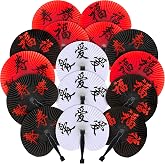
While traditional uses of big fans in festivals remain prevalent, modern innovations have also emerged. Designers and artists are reimagining uchiwa for contemporary celebrations, merging traditional craftsmanship with modern aesthetics.
Contemporary Art and Design

In recent years, various artists have begun to incorporate uchiwa into their artwork, creating pieces that are both functional and decorative. This fusion of art and tradition has led to:
- Exhibitions: Art shows featuring uchiwa as the centerpiece, showcasing the versatility of the fan.
- Fashion Collaborations: Designers incorporating fan motifs into clothing and accessories, bringing traditional designs into modern fashion.
- Interactive Installations: Art installations that invite participants to interact with large-scale uchiwa, creating immersive experiences.
Uchiwa in Global Celebrations

The popularity of uchiwa has extended beyond Japan, finding their way into international festivals and celebrations. For instance:
- Cultural Exhibitions: Japanese cultural festivals worldwide often feature uchiwa as a symbol of Japanese heritage.
- Workshops: Many cultural organizations offer workshops on uchiwa-making, promoting cultural exchange and appreciation.
This global recognition underscores the fans’ significance as a cultural artifact, bridging communities through shared artistic expression.
Statistics and Impact of Uchiwa in Festivals
The impact of uchiwa in festivals can be quantified in various ways. For instance, a survey conducted by the Japan National Tourism Organization (JNTO) found that:
- Over 70% of tourists participating in traditional Japanese festivals reported that the visual appeal of decorations, including fans, significantly enhanced their experience.
- Approximately 60% of locals consider uchiwa an essential element of their cultural identity during festivals.
These statistics highlight the importance of big fans in both preserving cultural heritage and promoting tourism within Japan.
Big Japanese fans, especially uchiwa, play a vital role in the festivals and celebrations that characterize Japan’s rich cultural landscape. From their intricate craftsmanship to their symbolic meanings, these fans are more than just decorative items; they embody the spirit of community, tradition, and artistry. Whether showcased in the grand floats of the Gion Matsuri, used in the colorful displays of the Tanabata Festival, or incorporated into the dances of Obon, uchiwa fans continue to captivate and connect people across generations.
As festivals evolve and modern interpretations emerge, the importance of uchiwa in representing Japanese culture remains steadfast. They serve as a reminder of the past while paving the way for future cultural expressions, ensuring that the beauty and significance of these traditional artifacts endure in an ever-changing world.