
Walkers serve as essential mobility aids for those with varying degrees of physical challenges, whether due to age, injury, or chronic conditions. One crucial aspect of a walker is its braking system, which plays a vital role in ensuring safety and stability. This article will delve into different types of walker brakes, their functionalities, and how to determine which option is best for your needs.
Understanding Walker Brakes
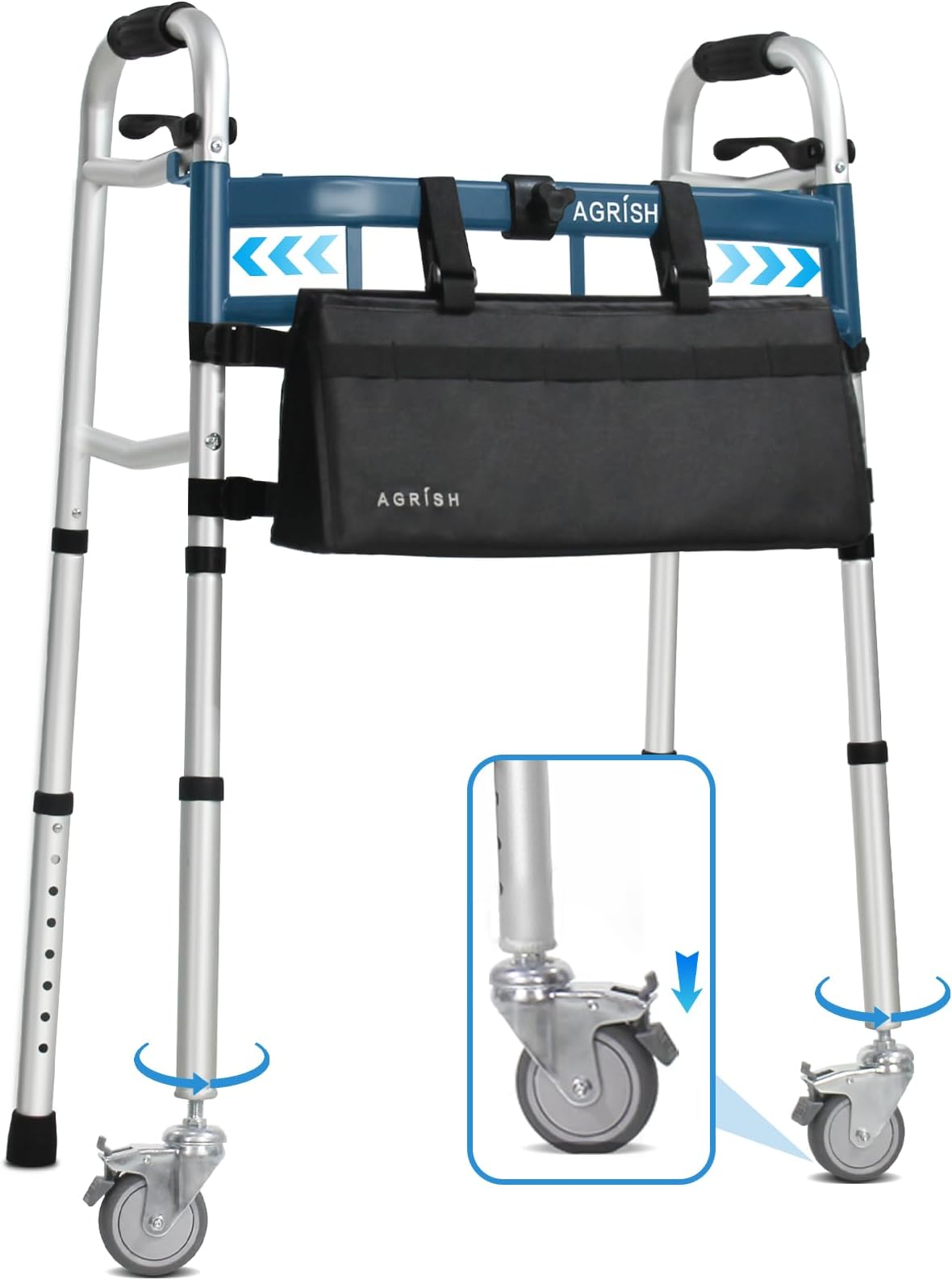
Walker brakes are designed to prevent accidents by allowing users to control their speed and stop when necessary. There are several types of walker brakes, each with its own mechanisms and advantages. Understanding these options can help you find the right walker for your specific mobility needs.
Types of Walker Brakes
Below are the most common types of walker brakes:
- Push Down Brakes
- Pull Up Brakes
- Push-to-Lock Brakes
- One-Handed Brakes
1. Push Down Brakes
Push down brakes are often found on standard walkers. To engage the brakes, users press down on the handles, which locks the walker into place. This type of brake is particularly beneficial for individuals who have difficulty with grip strength.
Advantages:
- Simple to use, requiring minimal strength and dexterity.
- Effective for stopping the walker quickly.
- Commonly found on many models, making them widely accessible.
Disadvantages:
- Can be accidentally disengaged if the user leans on the walker too heavily.
- Requires both hands for effective usage.
2. Pull Up Brakes
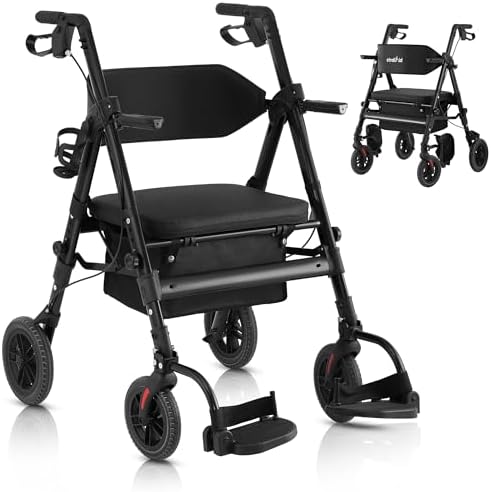
Pull up brakes work by pulling the handles upward to engage the brakes. This design is typically more intuitive for users who are accustomed to using traditional brakes found in bicycles or vehicles.
Advantages:
- Intuitive design for individuals familiar with pull-up braking systems.
- Allows for quick and efficient stopping.
Disadvantages:
- May require more upper body strength than push down brakes.
- Can be challenging for individuals with limited dexterity.
3. Push-to-Lock Brakes

Push-to-lock brakes are designed for users who need a more secure braking mechanism. These brakes lock the walker in place when the user pushes a button or lever, providing stability when standing or sitting.
Advantages:
- Provides strong stability, reducing the risk of falls.
- Easy to engage with minimal effort.
Disadvantages:
- May be more complex to disengage compared to other types.
- Could be less effective on uneven surfaces.
4. One-Handed Brakes

One-handed brakes are specially designed for users with limited use of one hand. They allow individuals to engage the brake using either side of the walker, making them versatile and accommodating.
Advantages:
- Ideal for users with disabilities affecting one side of the body.
- Promotes independence by allowing users to control the walker with one hand.
Disadvantages:
- May not provide as much stability as two-handed brakes.
- Can be more expensive due to specialized design.
Choosing the Right Walker Brake for Your Needs
When selecting a walker, it’s essential to consider several factors to determine which type of brake suits you best:
- Mobility Level: Assess your overall mobility and strength. If you have limited grip strength, push down brakes may be more suitable.
- Upper Body Strength: Determine if you can comfortably use pull up or push-to-lock brakes based on your upper body strength.
- Independence: If you need to use one hand for mobility, one-handed brakes could be the best option.
- Environment: Consider where you will primarily use the walker. If you navigate uneven surfaces, opt for a brake that provides extra stability.
- Personal Preference: Ultimately, comfort and familiarity with the braking system can play a significant role in your decision.
Case Studies and Statistics

Understanding the impact of walker brakes on user safety and mobility is essential. A study conducted by the American Journal of Physical Medicine & Rehabilitation found that:
- Over 70% of fall-related injuries in older adults occur due to ineffective mobility aids.
- Participants using walkers with reliable braking systems reported a 40% decrease in falls.
In a case study involving senior citizens, those who transitioned to walkers with push-to-lock brakes experienced greater confidence in their mobility, leading to increased social interaction and reduced feelings of isolation.
Final Thoughts

Choosing the right walker brake is crucial for ensuring safety and maximizing independence. Each type of brake has its pros and cons, and understanding your personal needs and preferences will significantly impact your choice. Whether you opt for push down, pull up, push-to-lock, or one-handed brakes, the key is to select a system that enhances your mobility while keeping you safe.
As you navigate the options available, it may also be beneficial to consult with a medical professional or a physical therapist. They can provide personalized recommendations based on your individual situation.
In conclusion, the right walker brake can transform your mobility experience. By comparing the different types of walker brakes—push down, pull up, push-to-lock, and one-handed—you can make an informed decision that fits your lifestyle and physical capabilities. Remember, the goal is not just to choose a walker but to enhance your independence and quality of life. Prioritize safety, comfort, and usability as you make your choice, and don’t hesitate to seek expert advice to ensure you find the best fit for your needs.


