
The world of narcotics has been one of the most compelling subjects in modern history, capturing the imagination of many through literature, film, and television. Yet, the stories behind the figures who wielded power in this dark realm are often shrouded in myth and misrepresentation. This article seeks to uncover the untold stories of narcos, their attitudes, the power they wielded, and the lasting legacy they left behind.
The Rise of the Narcos: A Historical Context
The phenomenon of narcos is deeply rooted in socio-economic and political contexts. The rise of drug cartels in Latin America, particularly in Colombia and Mexico, can be traced back to a combination of factors, including poverty, corruption, and the demand for illicit drugs in the United States and beyond.
- Poverty and Inequality: Many narcos rose from backgrounds characterized by economic hardship. For instance, Pablo Escobar, often referred to as the “King of Cocaine,” grew up in a modest neighborhood in Medellín, Colombia.
- Political Corruption: Corruption within political systems allowed narcos to thrive. They often bribed officials to turn a blind eye to their operations, deepening their power and influence.
- Global Demand: The insatiable demand for drugs in the United States has fueled the growth of narco organizations, leading to the establishment of complex networks for production and distribution.
The Narcotics Trade: Attitudes and Strategies
The attitude of narcos is multifaceted, characterized by a blend of bravado, ruthlessness, and strategic foresight. These figures often adopted a persona that blended charisma with intimidation, allowing them to control vast criminal enterprises.
Charisma and Manipulation
Many narcos were adept at manipulating public perception. For example, Escobar engaged in philanthropy, building schools and soccer fields in his community. This earned him loyalty among the local populace, which he leveraged to protect his operations.
Violence as a Tool
The use of violence has been a hallmark of narcos’ strategies. High-profile assassinations, torture, and public displays of brutality were often employed to instill fear and maintain control. Notable examples include:
- Assassination of Politicians: The killing of Colombian presidential candidate Luis Carlos Galán in 1989 exemplifies how narcos used violence to thwart political opposition.
- Public Executions: The brutal murders of rivals and informants served as warnings to others, perpetuating a culture of fear.
The Power Dynamics within Cartels
The power dynamics within narco organizations are complex. Leadership structures can vary, but often include a “boss” or “capo,” along with lieutenants who manage various operations.
Case Study: The Medellín Cartel
The Medellín Cartel, led by Pablo Escobar in the 1980s, serves as a prime example of how power dynamics functioned within a narco organization. Escobar’s leadership was characterized by:
- Absolute Control: Escobar had the final say in all decisions, which allowed him to consolidate power effectively.
- Delegation of Responsibility: He appointed trusted associates to oversee specific operations, such as transportation and finance.
- Intimidation of Rivals: His infamous “plata o plomo” (silver or lead) approach forced cooperation through bribery or violence.
The Cartel Wars

The competition among various cartels in Mexico and Colombia led to violent confrontations, often referred to as “Cartel Wars.” For example, the rivalry between the Medellín and Cali cartels resulted in thousands of deaths and significant destabilization in Colombia.
The Legacy of Narcos: Societal Impact and Cultural Representation
The legacy left by narcos extends beyond the immediate violence and terror. Their influence can be observed in various aspects of society, from politics to culture.
Political Corruption and Instability
As narcos gained power, they often infiltrated political systems, resulting in long-lasting corruption. In Colombia, the so-called “narco-politics” has had enduring effects, leading to weakened institutions and ongoing instability.
Cultural Representations

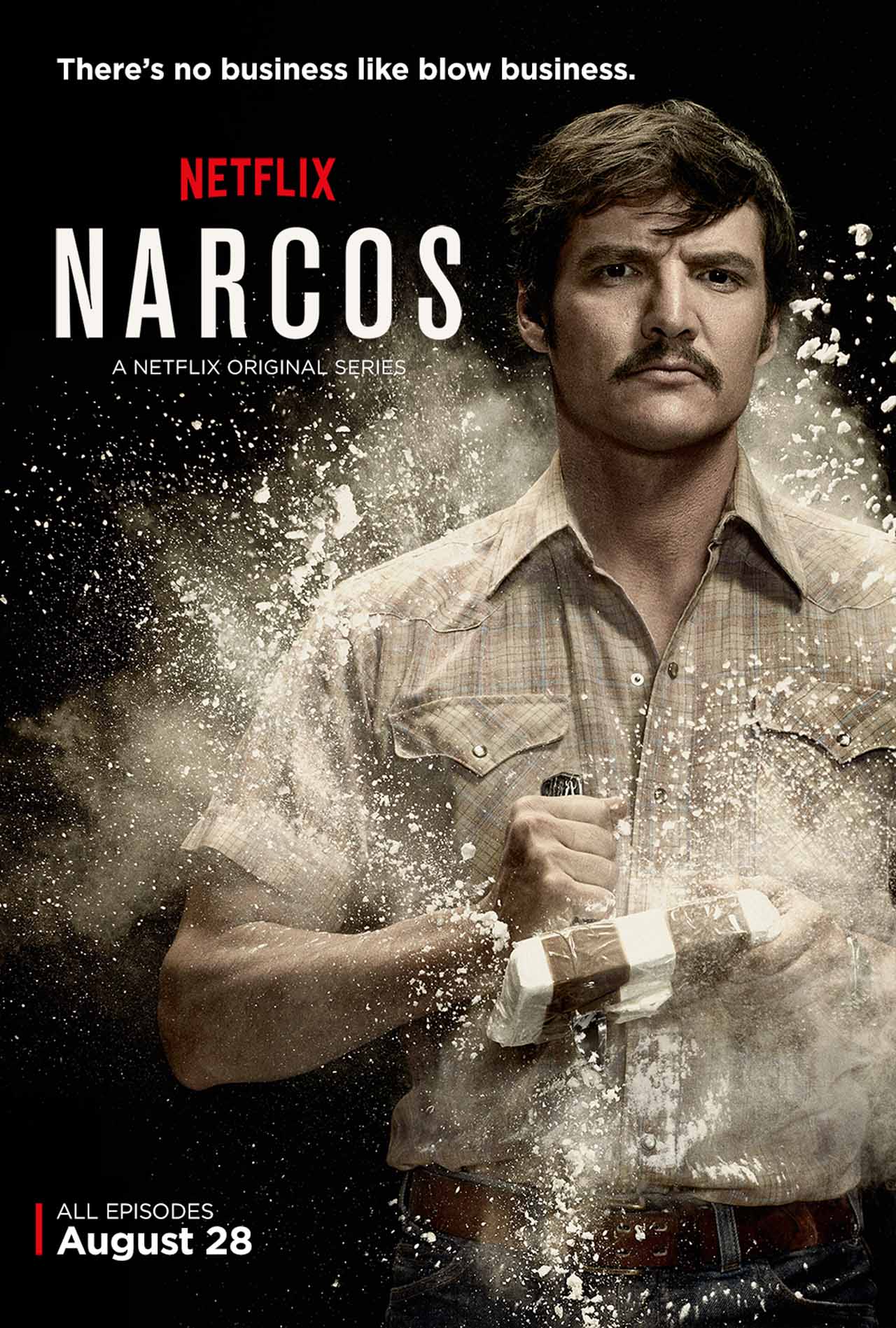
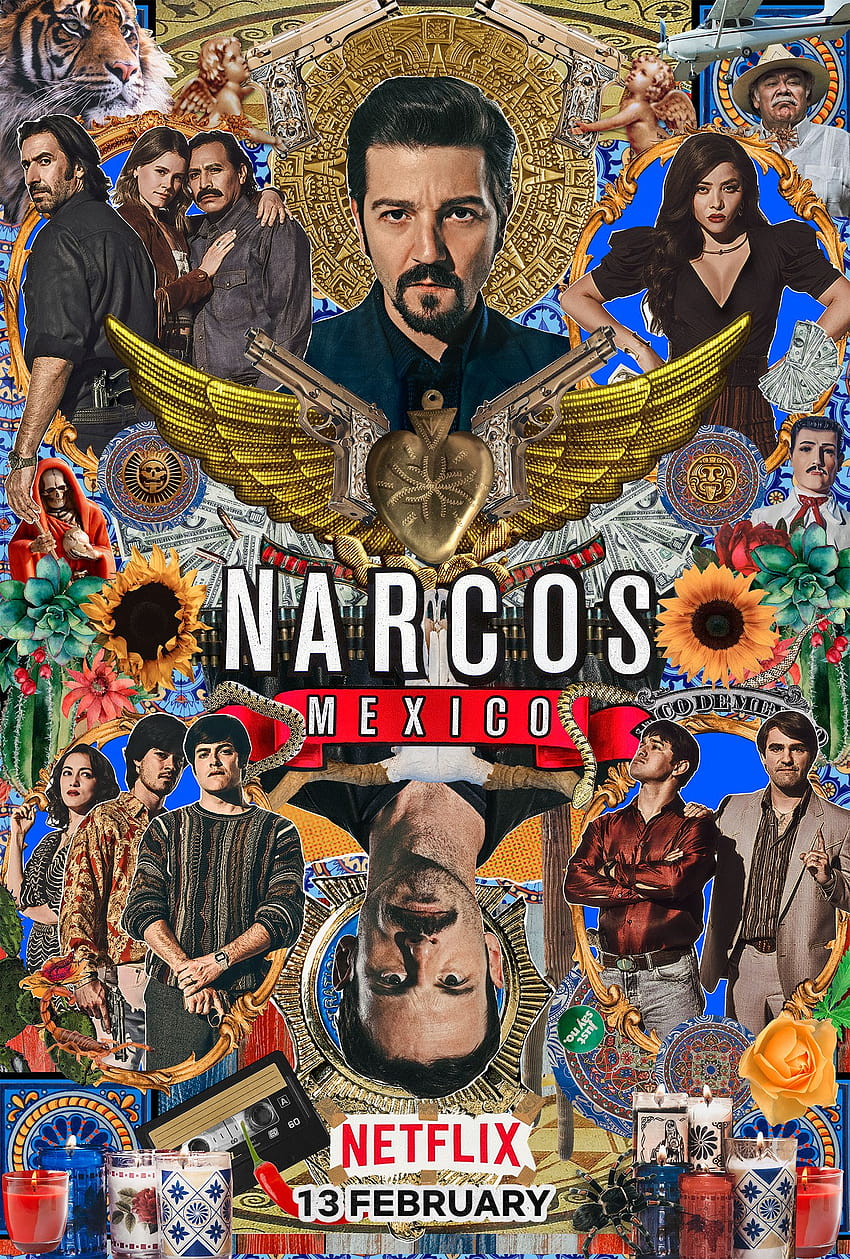
The portrayal of narcos in popular culture has both glorified and vilified their existence. Television series like “Narcos” and films like “Scarface” have contributed to a romanticized view of the drug trade, often overshadowing the violence and destruction it brings.
- Hero or Villain? Many narratives depict narcos as anti-heroes, creating a complex relationship between society and these figures.
- Impact on Youth: The glamorization of narcos can influence young people, potentially leading them to idolize figures like Escobar.
Emerging Trends and Future Implications
The narcotics landscape is constantly evolving. New trends signify shifts in drug production, distribution, and the sociopolitical dynamics surrounding narcos.
Shift to Synthetic Drugs
While cocaine and marijuana were once the primary commodities, there has been a significant rise in synthetic drugs, such as fentanyl. This shift poses new challenges for law enforcement and public health.
Transnational Cartels

The emergence of transnational cartels complicates the fight against drug trafficking. These organizations span multiple countries, creating challenges for law enforcement agencies that must navigate various legal systems and jurisdictions.
The Enduring Legacy of Narcos

The untold stories of narcos reveal a complex interplay of power, attitude, and legacy. While they are often depicted as mere criminals, understanding their socio-economic contexts, strategies, and the societal impacts they engender offers a nuanced perspective on their existence. The legacy of narcos is not just one of violence; it is also a legacy of corruption, cultural representation, and ongoing challenges in the fight against drug trafficking. As society continues to grapple with the consequences of the narcotics trade, it is crucial to remain informed and critical about the narratives surrounding these figures, recognizing both their historical significance and the lessons that can be learned from their stories.


