
Overkill, the legendary American thrash metal band formed in 1980, has been a significant player in the metal scene for over four decades. Known for their aggressive sound and high-energy performances, the band has cultivated a dedicated fanbase. One of the most vital aspects of their identity is their merchandise, which has evolved dramatically over the years. This article explores the evolution of Overkill band merchandise, highlighting iconic designs and discussing their cultural impact.
The Early Days: T-Shirts and DIY Culture

In the early 1980s, when Overkill first emerged onto the music scene, merchandise was relatively straightforward. Bands primarily sold T-shirts featuring their logos or album art. For Overkill, this period was characterized by a DIY ethos, where fans often created their own merchandise.
- Hand-printed T-Shirts: Many fans would hand-print their shirts, often using simple methods like stencils or screen printing. This personalization allowed fans to express their love for the band uniquely.
- Early Designs: The designs from this era were often simplistic, focusing on the band’s logo and imagery associated with their music, such as skulls and other dark themes.
One iconic early design was the “Feel the Fire” shirt, which featured bold graphics that captured the raw energy of the band’s debut album. This approach to merchandise not only helped to promote the band’s music but also fostered a sense of community among fans.
The Rise of Iconic Artwork: The Late 1980s to Early 1990s
As Overkill gained popularity, the quality and creativity of their merchandise began to improve significantly. The late 1980s and early 1990s saw the introduction of more elaborate designs, often influenced by the artwork of their album covers.
- Album Cover Merchandise: The art from albums like “The Years of Decay” and “Horrorscope” became central to their merch. The detailed illustrations provided a visual narrative that resonated with fans.
- Collaboration with Artists: Overkill started collaborating with renowned artists to create unique merchandise. This not only elevated the quality but also made the merchandise collectible.
For example, the “Horrorscope” shirt featured the iconic cover art by artist Ed Repka, which depicted a futuristic horror scene. This design became a staple among fans and is still sought after in the vintage merchandise market today.
Merchandise as a Cultural Artifact: The 2000s
As the new millennium approached, Overkill’s merchandise evolved to reflect changing cultural trends and technological advancements. The 2000s marked a significant shift in how bands approached their merchandise strategy.
- Online Sales: The rise of the internet allowed bands to sell their merchandise directly to fans worldwide. Overkill capitalized on this by launching an official online store.
- Diverse Product Range: The merchandise lineup expanded beyond T-shirts to include items like hoodies, patches, and accessories, catering to a broader audience.
One notable example from this era is the “Ironbound” collection, which featured a variety of apparel and accessories that showcased the album’s artwork. This collection was particularly successful due to its high-quality materials and eye-catching designs, appealing to both new fans and long-time followers.
The Impact of Social Media and Fan Engagement: 2010s to Present

In the past decade, social media has transformed how bands interact with their fans and promote their merchandise. Overkill has effectively utilized platforms like Instagram and Facebook to showcase new designs and engage with their audience.
- Limited Edition Releases: The band frequently releases limited edition merchandise, creating a sense of urgency among fans. This strategy has proven successful in driving sales and increasing brand loyalty.
- Fan Designs: Engaging fans in the design process has become a trend. Overkill has run contests where fans can submit their designs, fostering a deeper connection between the band and its supporters.
The “The Wings of War” merchandise line exemplifies this trend, featuring fan-submitted artwork that reflects the band’s themes and aesthetics. This approach not only diversifies the merchandise but also empowers fans to contribute creatively.
Embracing Sustainability: The Future of Overkill Merchandise
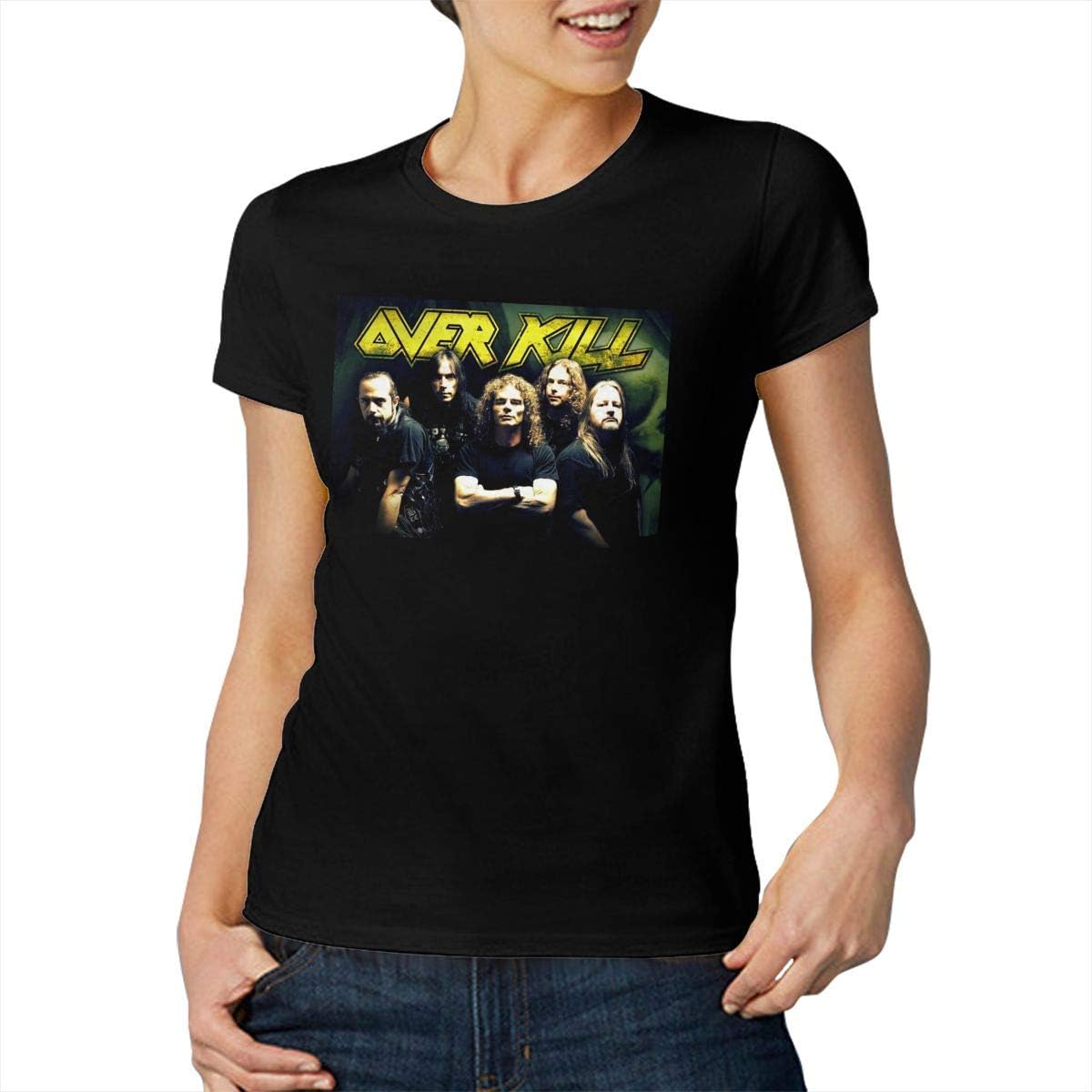
As environmental awareness grows, many bands, including Overkill, are adapting their merchandise practices to be more sustainable. This includes using eco-friendly materials and ethical manufacturing processes.
- Organic Cotton Apparel: Overkill has started offering T-shirts made from organic cotton, reducing the environmental impact of their clothing.
- Recycled Materials: Merchandise such as bags and accessories are now being produced using recycled materials, appealing to environmentally conscious fans.
This shift not only reflects a commitment to sustainability but also aligns with the values of many fans who prioritize environmental responsibility in their purchasing decisions.
Case Studies: Successful Merchandise Campaigns
To illustrate the evolution of Overkill merchandise, we can examine a few successful campaigns that highlight their innovative approaches.
- 30th Anniversary Tour Merchandise: For their 30th anniversary, Overkill released a special line of merchandise that included retro designs and limited-edition items. This campaign generated significant buzz and was well-received by fans, selling out quickly.
- Vinyl Reissues with Merchandise Bundles: The band has offered bundles that include vinyl reissues of classic albums accompanied by exclusive merchandise. This strategy not only caters to collectors but also encourages fans to engage with the band’s history.
These campaigns demonstrate how Overkill has successfully navigated the changing landscape of merchandise while maintaining a strong connection with their fanbase.
Statistics and Market Trends

The merchandise market for bands has seen significant growth over the past decade. According to a report by IBISWorld, the music merchandise industry is expected to reach $3 billion by 2025. This growth can be attributed to several factors:
- Direct-to-Consumer Sales: Bands are increasingly selling merchandise directly to fans, eliminating intermediaries and increasing profit margins.
- Collector’s Market: Vintage and limited-edition items have become highly sought after, driving demand for unique merchandise offerings.
- Fan Engagement Strategies: Bands that actively engage with their fans through social media and personalized merchandise are experiencing higher sales and loyalty.
For Overkill, adapting to these trends has allowed them to thrive in an evolving market while remaining true to their roots.
The evolution of Overkill band merchandise reflects broader trends in the music industry and the changing preferences of fans. From the early days of DIY T-shirts to sophisticated online sales strategies and a commitment to sustainability, Overkill has consistently adapted to meet the needs of their audience. Their iconic designs, coupled with innovative marketing strategies, have not only helped them maintain a loyal fanbase but also solidified their place in the history of heavy metal. As they continue to evolve, one thing remains clear: Overkill’s merchandise is more than just clothing; it’s a testament to their legacy and a bond between the band and their fans.


