The 1970 Canadian penny is not just a piece of currency; it is a representation of a pivotal moment in Canada’s monetary history. With its unique design, historical context, and cultural significance, the 1970 penny offers a fascinating glimpse into Canada’s past. This article delves into the history, design, and various aspects surrounding the 1970 Canadian penny, shedding light on why it remains a noteworthy topic for collectors and historians alike.
A Brief Overview of the Canadian Penny
The Canadian penny, also known as the one-cent coin, was introduced in 1858. Initially made of nickel, the composition changed over time, with the penny being minted from bronze and later from copper-plated zinc. The penny served as a fundamental part of Canada’s currency system until its discontinuation in 2013, marking the end of an era.
The Design of the 1970 Canadian Penny
The design of the 1970 Canadian penny is notable for its simplicity and elegance. The coin features two distinct sides, each telling its own story.
Obverse Side: The Portrait of Queen Elizabeth II
The obverse side of the 1970 penny features the effigy of Queen Elizabeth II. This design was created by renowned Canadian artist Arnold Machin and has been used on Canadian coins since 1965. The Queen’s image is surrounded by the inscription “ELIZABETH II DEI GRATIA REGINA” which translates to “Elizabeth II, by the Grace of God, Queen.” The choice of using the Queen’s portrait symbolizes Canada’s connection to the British monarchy and its status as a Commonwealth nation.
Reverse Side: The Maple Leaf and the Canadian Symbolism

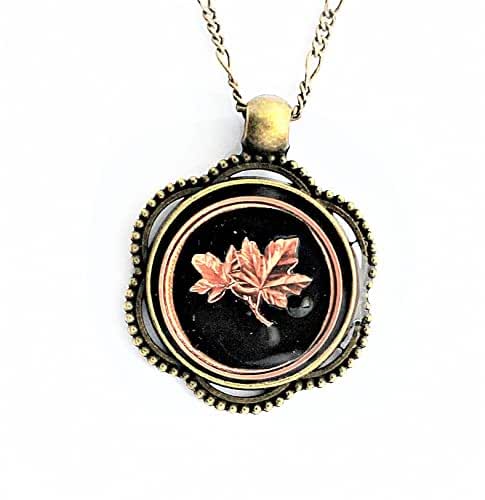
On the reverse side, the 1970 penny showcases a Canadian maple leaf—an enduring national symbol. The design was created by the Canadian engraver G. H. Kruger-Gray, depicting a single maple leaf with the date “1970” beneath it. The maple leaf represents Canada’s natural beauty, strength, and resilience.
- Material Composition: The 1970 penny was primarily composed of bronze, an alloy of copper and tin.
- Diameter and Weight: The coin has a diameter of 19.05 mm and weighs 2.45 grams.
- Minting Process: The penny was minted at the Royal Canadian Mint, which has been responsible for producing Canadian coinage since 1908.
The Historical Context of the 1970 Penny
The year 1970 was significant in Canadian history, marked by several economic and cultural shifts. Understanding these events provides insight into the importance of the 1970 penny.
Economic Background
During the 1970s, Canada was experiencing economic challenges, including inflation and rising costs of living. The introduction of new coin designs, such as the 1970 penny, was part of a broader effort to modernize Canada’s currency system. The Canadian government aimed to simplify transactions and encourage the use of coins over paper currency.
Social and Cultural Factors

The 1970s were also a time of cultural transformation in Canada. The era was characterized by a growing sense of national identity and pride, fueled by movements for multiculturalism and indigenous rights. The choice of the maple leaf as a symbol on the penny resonated with this newfound identity, representing not just the nation’s landscape but also its diverse population.
The Penny’s Role in Canadian Society
The 1970 Canadian penny played an essential role in everyday transactions and was widely used by Canadians. Despite its small denomination, it held significant value within the context of the economy and society.
Everyday Transactions

At the time, the penny was commonly used for small purchases, such as:
- Confectionery items, like candies and gums
- Low-cost items in convenience stores
- Public transport fares in some cities
The penny made it easier for Canadians to conduct everyday transactions without the need for larger denominations, which were often impractical for minor purchases.
Collectibility and Numismatic Value

As time passed, the 1970 Canadian penny became a sought-after item for collectors and numismatists. Factors contributing to its collectibility include:
- Rarity: Although millions were minted, certain conditions and compositions can make specific coins rare.
- Historical Significance: The penny reflects a unique period in Canadian history, making it a valuable piece for collectors.
- Cultural Symbolism: The use of the maple leaf resonates with Canadian identity, further enhancing its appeal.
The Discontinuation of the Penny

In 2013, the Canadian government announced the discontinuation of the penny as part of a cost-saving measure. The decision was primarily driven by:
- The rising cost of production, which exceeded the coin’s face value.
- The decline in the use of cash transactions, with many Canadians opting for digital payments.
- Economic efficiency, as eliminating the penny streamlined cash transactions.
The discontinuation sparked various reactions from Canadians, with some lamenting the loss of a familiar currency while others welcomed the change for its practicality.
The Legacy of the 1970 Canadian Penny
Despite its discontinuation, the 1970 Canadian penny continues to hold significance in Canadian culture and history. It serves as a reminder of the evolution of currency and the importance of national symbols.
Educational Value
The penny serves as an educational tool for teaching children about currency, history, and the value of money. It is often used in schools and museums to illustrate Canada’s economic history and the role of coinage in society.
Collector’s Market
The collector’s market for Canadian coins remains robust. The 1970 penny, along with other historical coins, is frequently featured in auctions and numismatic exhibitions. Collectors value these coins not only for their monetary worth but also for their historical narratives and cultural significance.
The 1970 Canadian penny is more than just a piece of currency; it is a symbol of Canada’s rich history and cultural identity. From its elegant design featuring the iconic maple leaf to its role in everyday transactions, the penny reflects a unique period in the nation’s story. Even after its discontinuation in 2013, the legacy of the 1970 penny endures through its significance for collectors and its educational value. As Canada continues to evolve, the 1970 penny remains a cherished artifact, connecting generations to the past and reminding them of the nation’s enduring symbols.