When it comes to maintaining the aesthetics and longevity of your boat, a flawless spray paint finish can make all the difference. Whether you’re looking to refresh an aging hull or customize your vessel with a vibrant new color, achieving a professional-looking finish requires careful preparation, technique, and the right materials. In this article, we will explore the top five tips for achieving a flawless spray paint finish on your boat, ensuring that your hard work results in a stunning outcome.
1. Choose the Right Environment

The environment in which you choose to spray paint your boat is crucial to achieving a flawless finish. Factors such as temperature, humidity, and wind can significantly impact the quality of your paint job.
- Temperature: Ideally, you should paint in temperatures between 50°F and 85°F (10°C to 29°C). Extreme cold or heat can affect the drying time and adhesion of the paint.
- Humidity: High humidity can lead to issues like runs and drips. Try to paint on a day with less than 70% humidity for the best results.
- Wind: Wind can carry dust and debris, which can ruin your finish. Choose a calm day or work indoors if possible.
By selecting an appropriate environment, you can create optimal conditions for a smooth and even application, significantly increasing your chances of success.
2. Proper Surface Preparation
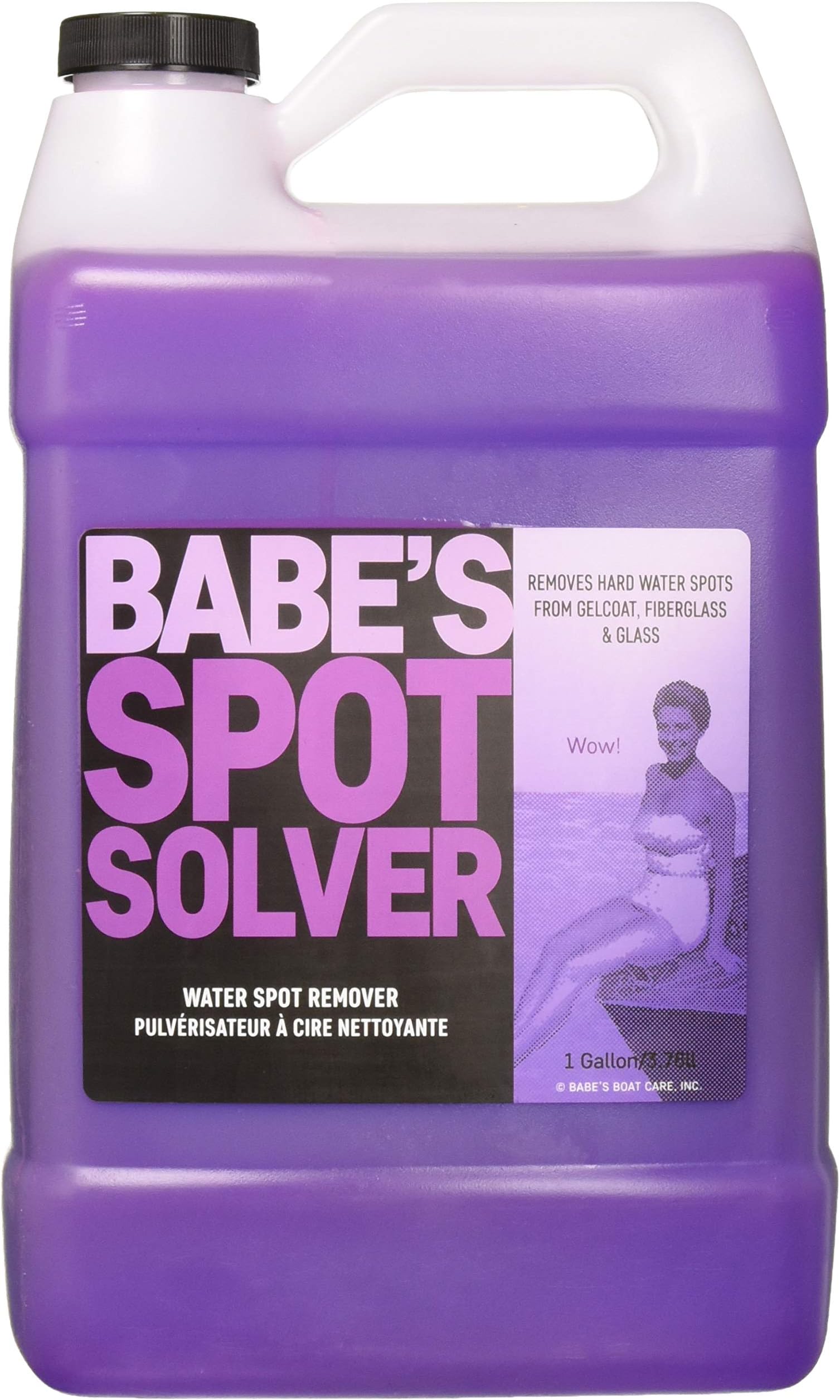
Preparation is key when it comes to spray painting your boat. A well-prepared surface will ensure that the paint adheres correctly and provides a durable finish.
- Clean the Surface: Start by thoroughly cleaning your boat’s surface. Remove any dirt, grease, or old paint using a marine-grade cleaner.
- Sanding: Sand the surface to create a rough texture for better paint adhesion. Use a fine-grit sandpaper (around 220-grit) for a smooth finish.
- Repair Imperfections: Fill in any cracks, holes, or scratches with a suitable filler. Once dry, sand these areas smooth to ensure they blend seamlessly with the surrounding surface.
- Masking: Use high-quality painter’s tape to mask off areas that you do not want to paint. This will help create clean lines and prevent overspray.
Proper surface preparation not only enhances the appearance of your paint job but also extends the life of the finish by preventing peeling and chipping.
3. Selecting the Right Paint and Equipment
The choice of paint and equipment is critical to achieving a flawless finish. Not all paints are created equal, and using the right tools can make a significant difference.
- Paint Type: For boats, choose a marine-grade spray paint that is specifically designed to withstand harsh marine environments. Look for paints that offer UV protection and water resistance.
- Choosing Colors: Consider using lighter colors in sunny climates to minimize heat absorption and reduce wear on the paint.
- Equipment: Invest in a high-quality spray gun, preferably a gravity feed or HVLP (High Volume Low Pressure) model, which provides better control and reduces overspray.
- Test Sprays: Before starting on the main project, conduct test sprays on scrap materials to fine-tune the settings and ensure the desired finish.
By selecting the right paint and equipment, you can improve the overall quality of your paint job and achieve a smooth, professional appearance.
4. Mastering the Spray Technique

Even with the best materials, the application technique can make or break your paint job. Here are some tips to master your spray technique:
- Distance: Hold the spray gun about 6 to 12 inches away from the surface. Too close can lead to drips, while too far can result in uneven coverage.
- Motion: Use smooth, overlapping strokes while spraying. Start and stop the spray motion before and after the surface to avoid heavy buildup at the edges.
- Layering: Apply multiple thin coats rather than one thick coat. Allow each coat to dry as per the manufacturer’s instructions before applying the next. This helps to avoid runs and sagging.
- Crosshatch Technique: For even coverage, consider using a crosshatch technique, spraying one coat horizontally and the next vertically.
Mastering your spray technique will ensure an even and professional finish, reducing the chances of imperfections.
5. Finishing Touches and Maintenance

The final step in achieving a flawless spray paint finish is to apply finishing touches and ensure proper maintenance to prolong the life of your paint job.
- Clear Coat: Applying a clear coat can protect your paint from UV damage and provide a glossy finish. Choose a marine-grade clear coat for the best results.
- Allow Curing Time: After painting, allow adequate curing time before exposing the boat to water or harsh conditions. This ensures that the paint has fully adhered and hardened.
- Regular Maintenance: Regularly clean and wax your boat to protect the paint finish. Avoid abrasive cleaners that can damage the surface.
- Inspecting for Damage: Periodically inspect your boat for any signs of wear or damage, and address these issues promptly to prevent further deterioration.
By taking these finishing touches and maintenance steps, you can keep your boat looking pristine for years to come.
A flawless spray paint finish on your boat is not only about aesthetics but also about protection and longevity. By choosing the right environment, properly preparing the surface, selecting the appropriate paint and equipment, mastering your spray technique, and applying finishing touches, you can achieve a professional-looking finish that stands the test of time. Remember that careful planning and execution are key to a successful paint job. With these top five tips in mind, you can confidently transform your boat into a stunning masterpiece that will turn heads on the water.